06 October 2024
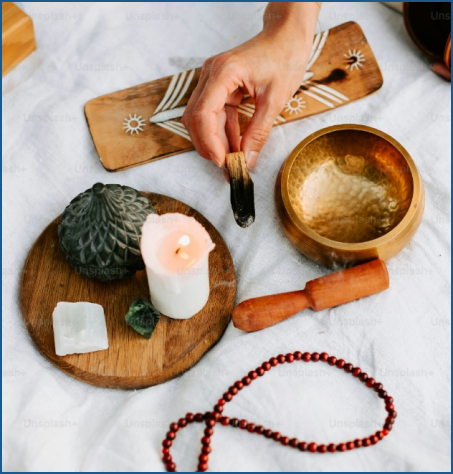
In our fast-paced world, finding moments of calm and connection can feel like an elusive dream. Enter sound healing therapy,...
Read More...
27 August 2024
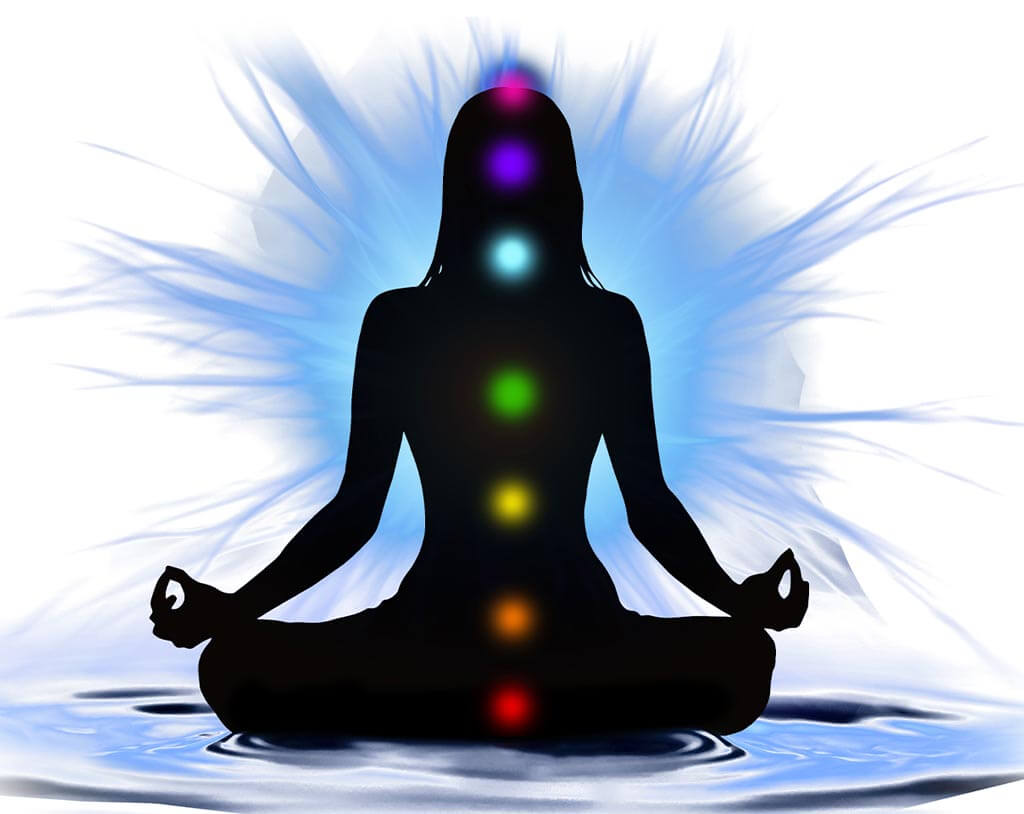
The connection between sound and meditation has ancient roots, with many cultures using sound for healing and spiritual practices. For...
Read More...Sound healing therapy uses specific sounds, vibrations, and frequencies to balance the body, mind, and spirit. Instruments like singing bowls, gongs, tuning forks, nature sounds, other music instruments like piano, handspan, guitar, harmonium etc can also be used to relax and even the human voice are often used to induce relaxation and healing.

Sound healing works on the principle that sound vibrations can shift brainwave states, reduce stress, and promote physical and emotional healing. It’s believed that each part of the body resonates at a certain frequency, and sound can help bring imbalances back into harmony.
A typical session involves lying down in a comfortable position while the practitioner plays various instruments or uses their voice. Participants may feel relaxed, experience meditative states, or even fall asleep.
No special preparation is required. It’s recommended to wear comfortable clothing and stay hydrated. Some may also benefit from setting a personal intention before the session.
Its scientifically proven and Many people report relief from stress, anxiety, depression, and physical pain. While sound healing is not a replacement for medical treatment, it’s used as a complementary therapy for overall well-being.
After a session, you might feel relaxed, calm, energized, or even emotional as the sound helps release pent-up emotions. It’s common to feel a sense of balance or alignment.
Sound healing is generally safe for most people. However, those with certain conditions, such as epilepsy (due to the sensitivity to certain frequencies), or pregnant women in the first trimester, should consult a doctor before attending a session.
The frequency of sessions depends on individual needs. Some people benefit from weekly sessions, while others find monthly or occasional sessions sufficient.
Yes, sound healing can be complementary to other therapies such as yoga, meditation, Reiki, acupuncture, or traditional medical treatments.
Sound healing itself is not tied to any specific religion or spiritual practice, though some people incorporate it into their spiritual journey. The therapy is rooted in the scientific understanding of sound and vibration.
Everyone’s experience with sound healing is different. Some may have vivid sensations, visuals, or emotions, while others simply feel deeply relaxed.
No prior meditation or any experience is needed; our sessions are designed for everyone to deeply relaxed your mind, body and soul.